
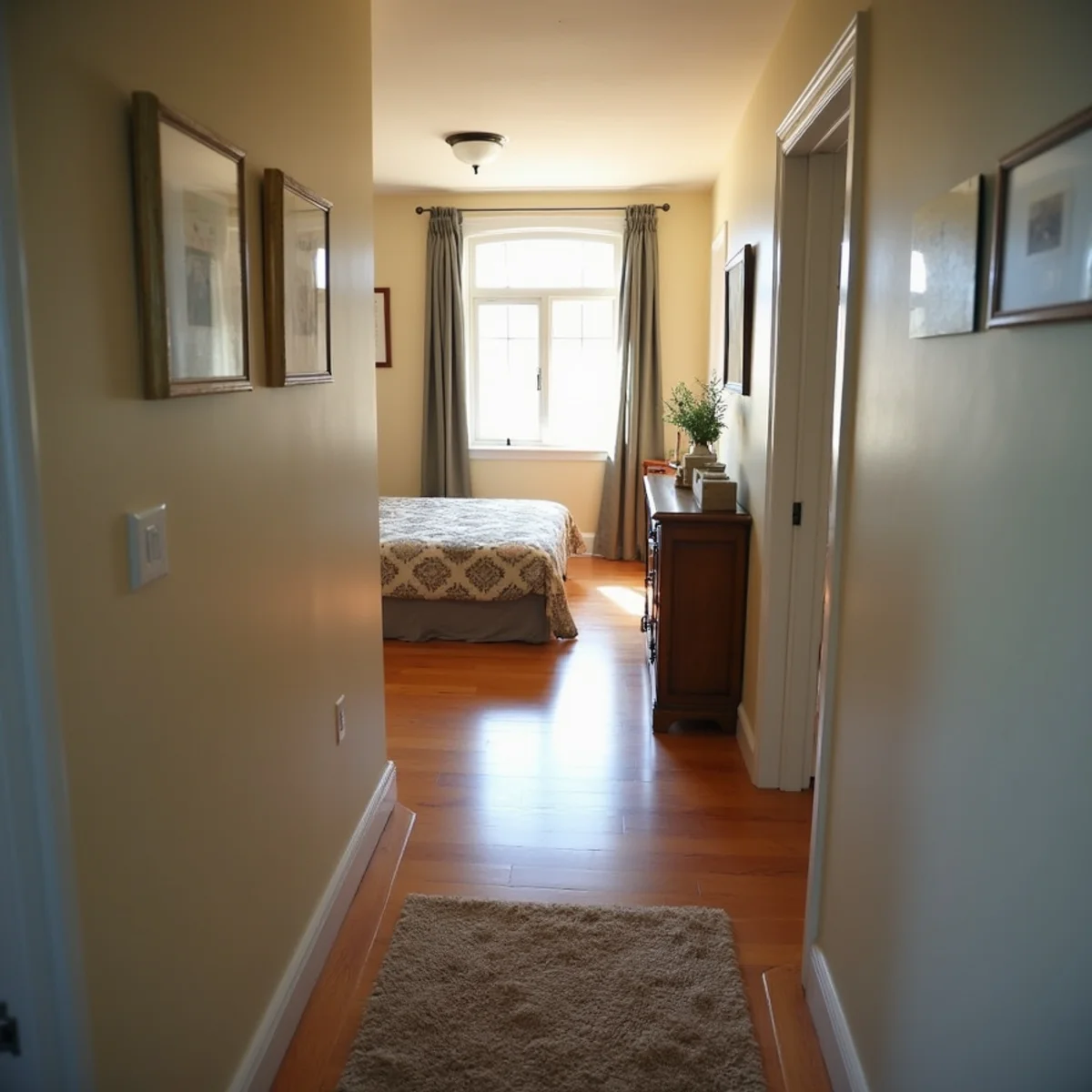
Your second floor runs 5 to 10 degrees hotter than the first floor in summer because warm air naturally rises (the stack effect), roof solar heat radiates downward through attic insulation, and most 1950s split-levels in Broomall have supply and return ducts sized only for winter heating rather than heavy, dense summer air conditioning. Fixes range from installing manual duct dampers and adjusting thermostat fan settings to adding dedicated attic insulation or installing a targeted ductless mini-split.
This is the single most common cooling complaint in Broomall (Lawrence Park), Springfield, Newtown Square, and throughout Delaware County. Turning the thermostat down to 66°F only freezes the basement and living room while upstairs bedrooms remain uncomfortably muggy.
At Littlejohn Air Pros, our technicians evaluate total external static pressure, return air paths, and attic thermal gains to balance your home’s climate without destructive remodeling.
The Engineering Physics Behind Hot Upstairs Rooms in Mid-Century Homes
Split-level homes feature staggered floor levels connected by short stairwells, creating an open convective chimney. Warm air migrates upward, while cool, dense air cascades down into the family room and basement. Adding to this, unconditioned attics in 1950s homes regularly reach 130°F on July afternoons, radiating intense heat downward through bedroom ceilings.
Furthermore, the ductwork installed when these homes were constructed was intended strictly for heating. Because hot furnace air rises naturally, small 5-inch or 6-inch round duct risers were sufficient. But cool air is dense and heavy; it requires nearly twice the volumetric flow rate (CFM) to overcome heat gain. Without a dedicated high-capacity return air grille on the second floor, cool supply air cannot penetrate upstairs rooms.
Common Mistakes Homeowners Make When Trying to Cool Upstairs Rooms
When faced with sweltering upstairs temperatures, many homeowners try quick fixes that actually damage equipment or worsen temperature disparities:
- Closing All Downstairs Vents Completely: Completely shutting first-floor registers drastically increases duct static pressure, causing the blower motor to overheat and potentially freezing the evaporator coil. Registers should only be partially throttled.
- Cranking the Thermostat to 64°F: The first-floor thermostat quickly satisfies the setpoint and shuts off the condenser, leaving the upstairs humid and hot while the lower level feels like a walk-in freezer.
- Installing an Oversized Replacement AC Unit: Homeowners often assume a 4-ton system will push more air upstairs than a 3-ton system. In reality, the oversized unit cools the first floor in five minutes, short-cycles, and removes almost zero humidity, creating cold, clammy rooms upstairs.
Need emergency heating or AC repair in Broomall?
Dispatchers are on call 24 hours a day to send an insured technician to your home.
4 Proven Solutions for Balancing Temperature Across All Levels
- Set Thermostat Fan to "ON" Instead of "AUTO": Running the indoor blower continuously keeps air circulating between floors, reducing the temperature differential by 2 to 3 degrees without cycling the outdoor condenser.
- Seasonal Supply Register Balancing with Trunk Dampers: In spring, partially close basement and first-floor supply trunk dampers to force a greater volume of conditioned air through second-floor branch ducts.
- Air Seal and Upgrade Attic Insulation: Increasing attic insulation to R-49 or R-60 and sealing bypasses around can lights stops solar radiant heat from penetrating ceiling drywall.
- Install a Targeted Ductless Mini-Split: The gold-standard solution for stubborn split-level master bedrooms. A compact ductless mini-split unit provides dedicated, independent cooling exactly where you sleep without altering existing ductwork.
Comparing Remedies for Second-Floor Heat in Delaware County
| Method | Typical Temperature Drop | Estimated Cost | Best Suited For |
|---|---|---|---|
| Continuous Fan Circulation | 1°F to 3°F drop | $0 (Slightly higher electric use) | Mild temperature disparities (less than 4 degrees) |
| Manual Duct Trunk Balancing | 2°F to 4°F drop | $150 to $350 service visit | Homes with accessible basement sheet-metal dampers |
| Attic Air Sealing & Blown-In Insulation | 3°F to 5°F drop | $1,800 to $3,500 | Older homes with under 6 inches of existing attic fiberglass |
| Electronic Motorized Duct Zoning | 5°F to 8°F drop | $2,500 to $4,500 | Homes with adequate duct geometry and two main trunk lines |
| Ductless Mini-Split Heat Pump | 10°F+ pinpoint control | $3,500 to $5,500 installed | Master suites, split-level bedrooms, and finished attic spaces |
Get an honest price before the repair begins
Our technicians troubleshoot your HVAC problem and provide clear upfront pricing before touching a tool.
Why Modern Variable-Speed Blowers and Mini-Splits Provide Lasting Relief
When upgrading your primary heating and cooling system, choosing a variable-speed ECM blower motor or an inverter-driven heat pump fundamentally transforms split-level comfort. Traditional single-stage blowers blast air at one high speed, quickly chilling the main level before shutting off.
In contrast, variable-speed systems run at low, continuous speeds for long duty cycles. This steady, whisper-quiet airflow continuously draws warm air down from upper levels while delivering gentle, dehumidified air upstairs. For more details on modern multi-stage systems, read our comprehensive HVAC installation guide or call (321) 478-0693 to schedule an on-site airflow consultation.